
6 Problems Sealcoating Helps Prevent
Asphalt surfaces are built to handle regular traffic, changing weather, and daily exposure to the elements, but they still need protection over time. Sunlight, water, chemicals, and repeated vehicle use can gradually weaken the surface and make small issues more noticeable. Professional sealcoating services can help protect asphalt by adding a protective layer that supports durability, appearance, and long-term performance.
Proper maintenance can make a meaningful difference in how long asphalt remains usable. According to Fixr, a properly maintained asphalt driveway can last between 25 and 30 years, and in some moderate climates, it can last even longer. Sealcoating is one part of that maintenance strategy because it helps limit exposure to conditions that contribute to deterioration. Here are six problems that sealcoating can help prevent when applied as part of a broader pavement care plan.
1. Preventing Premature Surface Oxidation
Reducing Sun Exposure
Ultraviolet rays can gradually dry out asphalt binders and cause the surface to become brittle. As this process continues, the pavement may lose some of its flexibility and become more vulnerable to cracking. Sealcoating services create a protective barrier that helps reduce direct exposure to sunlight and slows visible aging.
Reducing Surface Fading
Fresh asphalt has a deep, dark appearance, but prolonged exposure to the sun can cause it to fade toward gray. This color change often accompanies oxidation. Sealcoating can refresh the appearance while also helping shield the surface from continued weathering.
Reducing Brittleness
As asphalt oxidizes, it can become less flexible and more likely to develop small cracks under normal traffic or temperature changes. Protecting the surface can help preserve more of the material's original characteristics and reduce the rate at which brittleness develops.
Reducing Early Aging
Oxidation is a natural process, but exposure can accelerate it. Regular maintenance helps slow the progression of visible wear, allowing asphalt surfaces to maintain a more uniform appearance and functional condition over time.
2. Preventing Water-Related Deterioration
Limiting Surface Penetration
Water can enter small openings in asphalt and reach the material beneath the surface. Once moisture penetrates weakened areas, it can contribute to further deterioration. Sealcoating services help create a more resistant surface that limits direct water intrusion during rain and snow.
Limiting Freeze-Thaw Damage
In colder conditions, water that enters cracks can freeze and expand. Repeated freezing and thawing can widen existing openings and weaken surrounding pavement. Reducing moisture penetration can help limit this cycle and the damage associated with it.
Limiting Base Weakening
When water moves beneath the asphalt surface, it can affect the base that supports the pavement. A weakened base can contribute to settling, cracking, or uneven areas. Surface protection can help reduce one of the pathways moisture uses to reach these lower layers.
Limiting Erosion Around Edges
Pavement edges can be especially vulnerable to runoff and repeated water exposure. When moisture erodes the supporting material around the perimeter, cracks and crumbling can develop more quickly. Keeping the asphalt sealed helps support more consistent protection across the surface.
3. Preventing Damage From Oil and Chemicals
Reducing Oil Penetration
Vehicle leaks can leave oil on driveways, parking lots, and other asphalt surfaces. Petroleum-based fluids can soften asphalt binders when they remain in contact with the surface. Sealcoating services help provide a barrier that can reduce how readily these substances penetrate the pavement.
Reducing Fuel Damage
Gasoline and other automotive fluids can also affect asphalt. Repeated spills or leaks may contribute to softening, staining, or weakening. A protective coating can make the surface less directly exposed to these substances.
Reducing Chemical Staining
Even when a spill does not immediately damage the structure of the pavement, it can leave noticeable stains that affect the appearance. Sealcoating can create a more uniform surface and make it easier to maintain a cleaner-looking property.
Reducing Localized Soft Spots
When oil or fuel remains on unprotected asphalt, affected areas can become softer than the surrounding pavement. Those spots may wear more quickly under traffic. Surface protection helps reduce direct chemical contact and supports more consistent pavement strength.
4. Preventing Small Cracks From Worsening
Reducing Exposure Around Fine Cracks
Hairline cracks can form as asphalt ages and responds to traffic and temperature changes. While sealcoating is not a replacement for proper crack repair, sealcoating services can help protect surrounding pavement from additional exposure that might otherwise accelerate deterioration.
Reducing Moisture Around Repairs
After cracks are professionally repaired, sealing the surrounding surface can help reduce direct exposure to water. This can support a more complete maintenance approach and help protect both repaired and unaffected sections of asphalt.
Reducing Surface Breakdown
Small cracks often become more noticeable when the surrounding asphalt begins to dry, fade, and weaken. A protective coating can help slow this surface deterioration and reduce the conditions that allow minor imperfections to become more pronounced.
Reducing Visible Wear
Sealcoating creates a more uniform finish across the pavement. This can help improve appearance while protecting the surface from further weathering that may cause small imperfections to stand out more clearly over time.
5. Preventing Premature Wear From Traffic
Reducing Tire Abrasion
Vehicle tires create friction every time they turn, stop, or accelerate on asphalt. Over time, this movement can contribute to surface wear, especially in high-traffic areas. Sealcoating services add a protective layer that helps reduce direct abrasion against the asphalt itself.
Reducing Wear in Turning Areas
Areas where vehicles regularly turn, such as driveway entrances or parking lot corners, often experience more stress than straight sections. These locations can show wear sooner because of repeated tire movement. Surface protection can help these areas withstand routine use more effectively.
Reducing Wear in Parking Areas
Parking spaces and loading areas may experience concentrated traffic and repeated pressure from vehicles. While sealcoating does not strengthen the pavement structurally, it can help protect the surface from some of the gradual wear caused by daily use.
Reducing Surface Raveling
Raveling occurs when aggregate begins to loosen from the asphalt surface. Oxidation, weathering, and traffic can all contribute to this condition. Protecting the top layer can help reduce the rate at which the surface begins to break apart.
6. Preventing a Worn and Neglected Appearance
Maintaining a Darker Finish
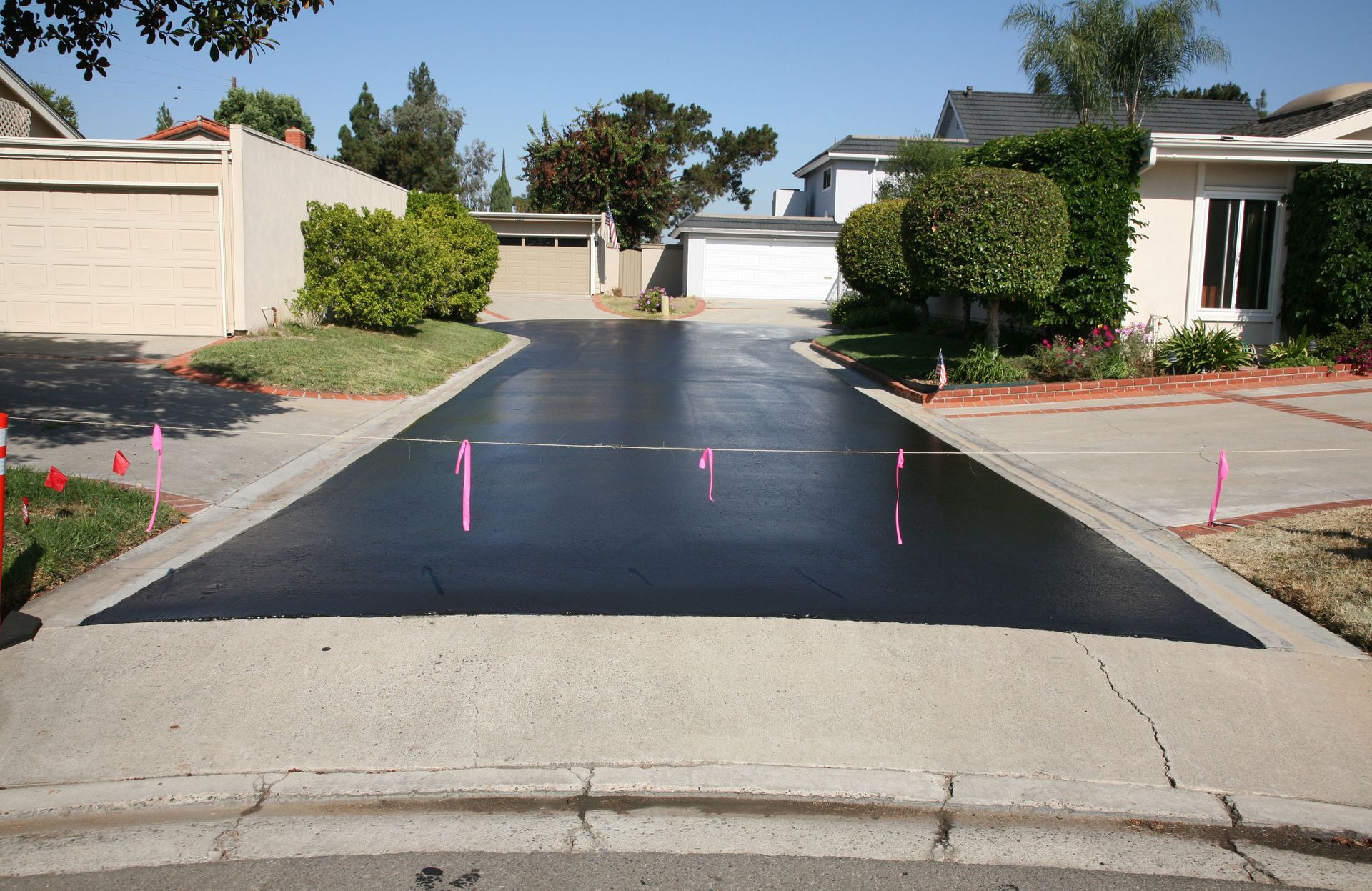
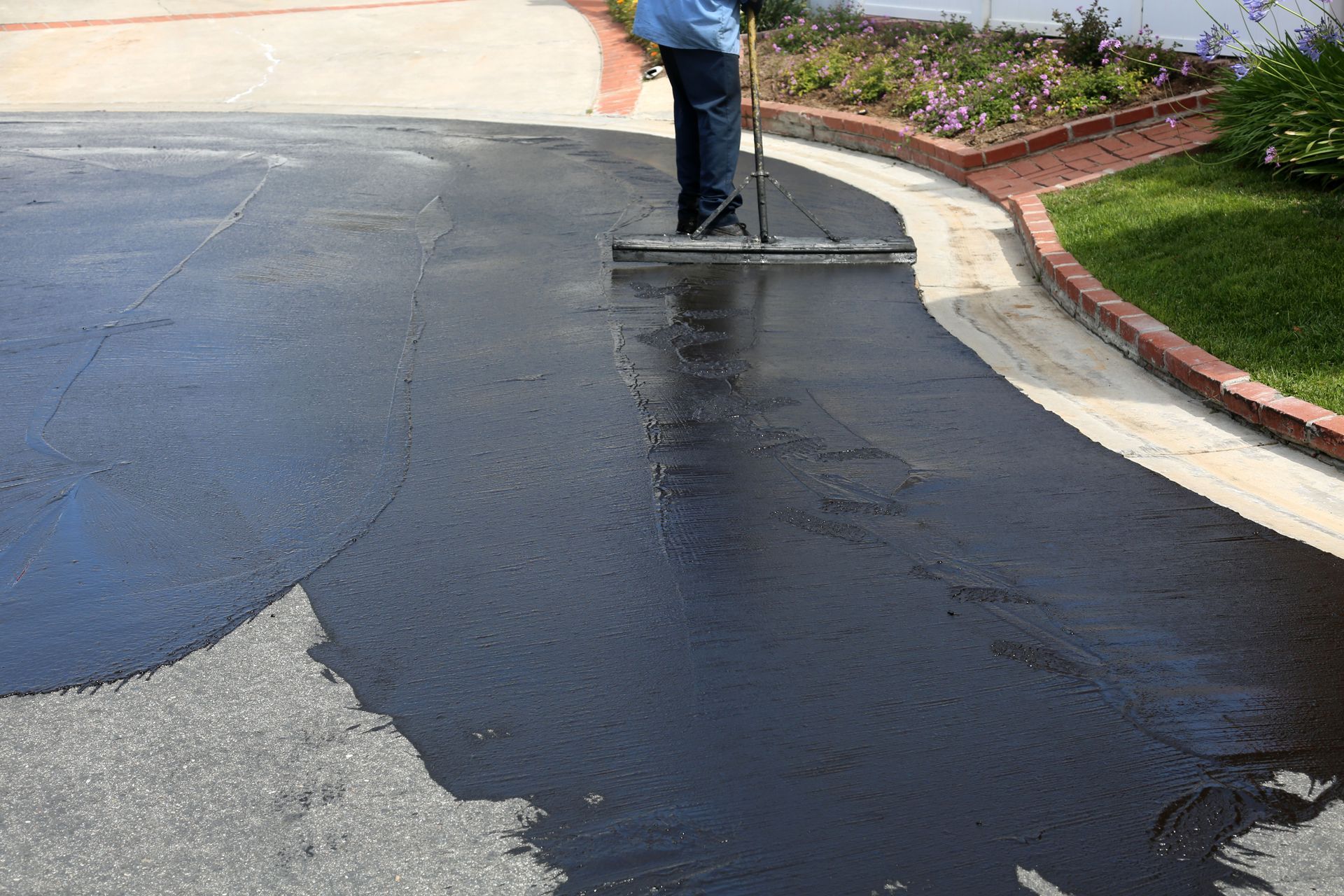
Asphalt naturally fades with age, often becoming gray and uneven in appearance. Sealcoating services can restore a darker, more uniform finish that makes driveways, parking lots, and other paved areas look better maintained.
Maintaining Visual Consistency
Repairs, patches, and older sections of asphalt can create noticeable color differences. A fresh sealcoat can help create a more consistent appearance across the surface, reducing the contrast between areas that have aged differently.
Maintaining Property Presentation
Pavement is often one of the first exterior features people notice when approaching a home or business. A surface that looks faded, stained, or worn can affect the overall impression of the property. Regular maintenance helps keep paved areas looking cleaner and more cared for.
Maintaining Long-Term Curb Appeal
Well-maintained pavement can complement landscaping, exterior finishes, and other property improvements. Keeping asphalt protected and visually consistent can contribute to a more polished exterior while also supporting the long-term condition of the surface.
Sealcoating can help protect asphalt from several common problems, including oxidation, water intrusion, chemical exposure, surface cracking, traffic wear, and premature fading. While it is not a substitute for structural repair, it can play an important role in a broader pavement maintenance plan. Property owners who want to protect driveways, parking areas, or other asphalt surfaces can contact Down to Earth Seal Coating today to schedule professional sealcoating services and discuss the right maintenance approach for their pavement.
Share On: