
4 Ways Sealcoating Extends the Life of Asphalt Surfaces
Sealcoating is an essential maintenance practice that can significantly extend the life of asphalt surfaces. It provides a protective layer against various elements, maintaining the integrity and appearance of the pavement. This article explores the key ways in which sealcoating contributes to the longevity of asphalt surfaces. Sealcoating serves as a barrier, shielding the asphalt from detrimental environmental factors that can accelerate degradation. By investing in regular sealcoating, property owners can enhance both the functionality and aesthetics of their pavements.
1. Protection from Water Damage
Water is one of the most destructive elements for asphalt surfaces. Sealcoating acts as a shield, preventing water from seeping through the asphalt. This is crucial as water penetration can lead to base weakening and eventual pavement collapse. By keeping water out, these protective layers maintain the structural integrity of the asphalt. Regular application ensures that the surface remains impermeable, thus reducing the likelihood of extensive water damage.
Asphalt is prone to cracking due to various stresses, including traffic load and environmental factors. These cracks, if left unchecked, allow water to infiltrate into deeper layers. Sealcoating fills small cracks and prevents larger ones from forming, thereby enhancing structural support. This sealing effect keeps the surfaces uniform and reduces long-term maintenance costs. A well-sealed surface is less susceptible to erosion, ensuring a longer service life.
Temperature variations lead to thermal expansion and contraction within asphalt materials. This can result in surface imperfections and cracks over time. Sealcoating mitigates these effects by creating a buffer that absorbs temperature fluctuations. As a result, the pavement remains more stable, with reduced risk of cracking from temperature-induced stresses. Regular sealcoating sessions are vital for climates with high temperature variances.
In colder climates, the freeze-thaw cycle is a significant threat to asphalt longevity. Water enters cracks and expands when frozen, risking further surface destabilization. Sealcoating helps prevent such damage by sealing cracks and repelling water. This protection ensures that freeze-thaw cycles do not compromise the pavement's structural integrity. A resilient surface withstands harsh winters without succumbing to severe deterioration.
Structural integrity is paramount for asphalt surfaces to withstand heavy loads and varying environmental conditions. Sealcoating serves to reinforce the asphalt structure, creating a robust and durable pavement. This reinforcing role is vital for high-traffic areas where durability is of utmost importance. With an intact coating, the asphalt remains impervious to common environmental and physical stressors. Maintaining structural integrity translates to fewer repairs and prolonged usability.
2. Shielding Against Oxidation
Asphalt surfaces exposed to sunlight experience oxidation, which can cause deterioration over time. UV radiation from the sun accelerates this oxidative process, leading to the asphalt becoming brittle. Sealcoating provides a protective layer that reflects UV rays, thereby reducing exposure. This protective effect slows down oxidation significantly, helping the asphalt retain its flexibility and strength. By ensuring less interaction with harmful UV rays, sealcoating prolongs pavement life.
The aging process of asphalt is a natural occurrence that reduces its efficacy and strength over time. Without sealcoating, the surface ages prematurely, necessitating frequent repairs or replacement. The protective layer of sealcoating halts this process by shielding it from oxidative elements and other environmental stressors. This slowed aging is evident in the sustenance of surface quality and robustness. Over the years, the benefits of sealcoating in preserving asphalt surfaces become tangible and measurable.
Flexibility is vital for asphalt surfaces to adapt to stress and prevent cracking. When asphalt oxidizes, it loses its flexibility, making it more susceptible to damage. Sealcoating maintains flexibility by minimizing oxidative and UV damage. Consequently, the surface remains resilient and less likely to fracture under pressure. Retaining flexibility is a key advantage that underscores the necessity of regular sealcoating practices.
Brittleness in asphalt arises when the binding materials harden and lose elasticity. This brittleness can lead to cracks and surface breakage under stress. Sealcoating creates a barrier that preserves the asphalt's chemical properties, preventing it from becoming brittle. Consequently, asphalt surfaces maintain their form and usability longer. As a preventive measure, sealcoating reduces the likelihood of needing costly corrective actions.
Overall strength is a critical attribute that determines the lifespan of asphalt surfaces. Sealcoating directly contributes to enhanced strength by protecting against factors that weaken the asphalt. This includes resistance to aging, UV exposure, water and chemical infiltration, and physical stresses. With consistent application, property owners see an improvement in pavement resilience and effectiveness. Sealcoated asphalt can better accommodate varying loads and climates, providing long-term service.
3. Protection Against Chemicals and Oils
Oil stains from vehicles are a common contamination that degrades asphalt surfaces. Sealcoating offers a resistant barrier that prevents oil from penetrating the surface. This protective measure means oil can be easily cleaned without leaving lasting stains. By preventing direct contact with the asphalt, sealcoating keeps the pavement pristine. This feature is particularly beneficial for parking lots and driveways where oil spills are frequent.
Gasoline is another threat to asphalt integrity due to its solvent properties. It can dissolve the binding agents in asphalt, degrading the surface rapidly. Sealcoating acts as a barrier, shielding the asphalt from gasoline exposure. This containment is crucial for areas with regular vehicle use, such as roads and gas stations. A well-sealed surface ensures that gasoline spills do not cause costly damage over time.
Asphalt is subject to various chemical spills that can erode its structure. Sealcoating effectively safeguards surfaces by preventing chemicals from seeping in. This mitigation saves businesses and homeowners from incurring repair expenses due to chemical-induced damage. With a protective coat, the durability of the asphalt is preserved, even in industrial settings where spills are common. Proactively applying sealcoating prevents chemicals from compromising the pavement.
Preservation of asphalt surfaces is a primary goal of sealcoating. By repelling destructive agents like oils, chemicals, and water, the longevity of the pavement is significantly extended. According to Fixr, sealing helps prevent issues, extends a driveway’s lifespan, and is usually applied about every five years. This systematic approach to sealcoating translates to reduced instances of repair and maintenance. Property owners enjoy durable, aesthetically pleasing surfaces that require less frequent attention.
4. Improving Surface Appearance
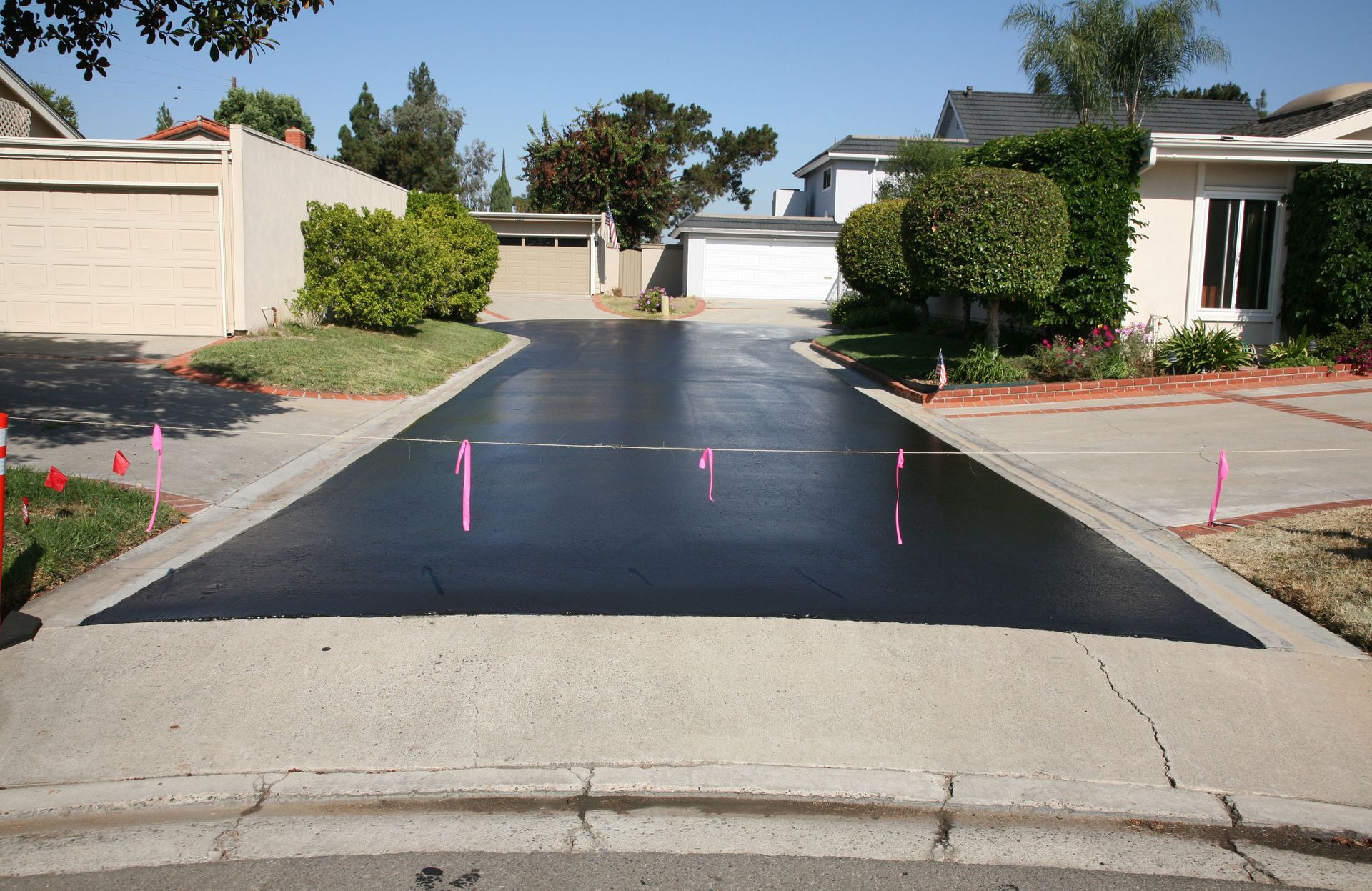
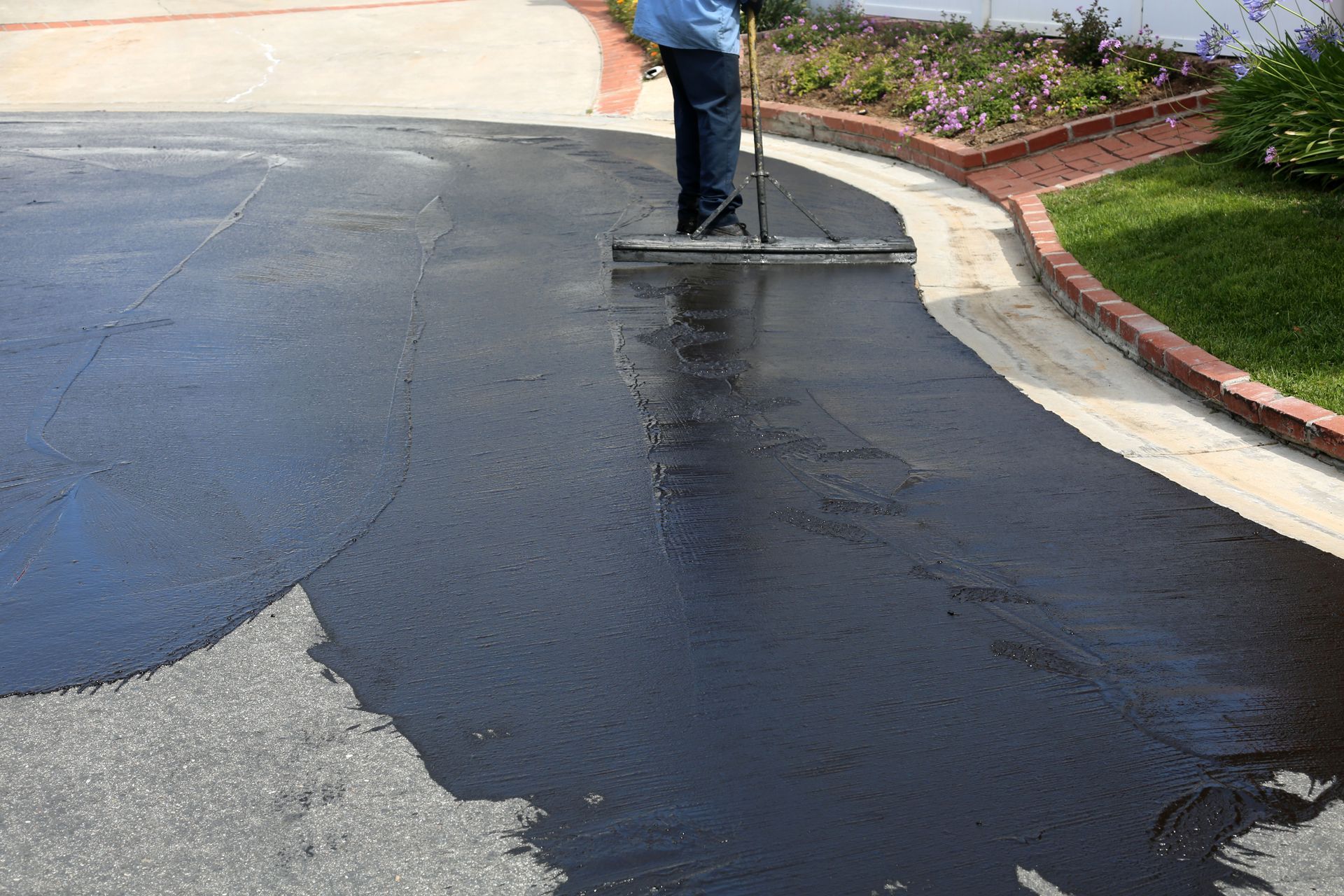
Asphalt surfaces can fade and lose color due to environmental exposure. Sealcoating helps restore the original rich black appearance of the asphalt, greatly enhancing its aesthetic appeal. This renewal is evident immediately after application, delivering an impressive facelift to aged surfaces. It not only beautifies the area but also indicates proper maintenance and care. A freshly sealcoated surface significantly boosts the overall visual impression.
Beyond color restoration, sealcoating provides a refined, smooth appearance to asphalt surfaces. This aesthetic enhancement makes public and private spaces look well-maintained and inviting. Smooth and visually pleasing pavements contribute positively to the environment, enhancing user experience. Sealcoating thus plays a crucial role in the upkeep of aesthetically appealing and functional spaces. This aspect is particularly valued in commercial areas where customer impressions are pivotal.
Consistency in surface appearance is important for safety and aesthetic reasons. Sealcoating ensures a uniform, even finish, minimizing noticeable patchwork and imperfections. This uniformity enhances visual appeal and creates appealing surfaces that are conducive to various applications. By rendering a seamless surface, sealcoating aids in maintaining both practical utility and attractiveness. A consistent finish also provides practical benefits, facilitating easier cleaning and maintenance operations.
Imperfections like cracks and divots can detract from the appearance of asphalt surfaces. Sealcoating covers these minor flaws, leaving behind a smooth and polished surface. The process minimizes irregularities that could accumulate dirt and debris, maintaining an impeccable appearance. Consequently, surfaces remain not just functionally sound but also aesthetically pleasing. Maintaining a flawless surface requires regular sealcoating applications to uphold its condition and visual charm. For more information, contact Down to Earth Seal Coating today.
Share On: